
KM
TY
TY
Full Analysis of Precautions for Plant Factory Use
In the wave of modern urban agriculture and innovative planting models, container planters have become the focus of attention for many growers due to their efficient and flexible characteristics. It cleverly combines advanced planting techniques with movable container space to create a controllable and ideal environment for plant growth. However, in order for container plant factories to continuously and stably achieve optimal efficiency, many usage precautions cannot be ignored.
1、 Space Planning and Layout
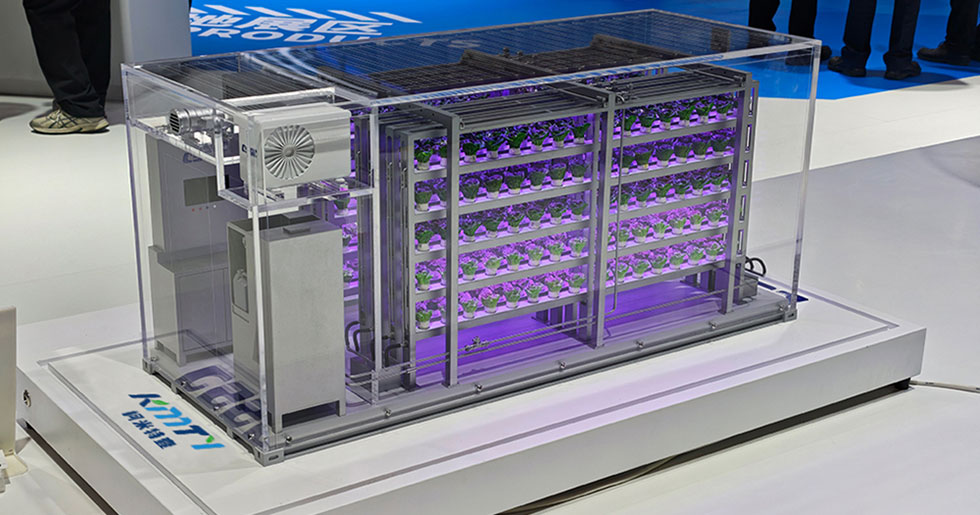
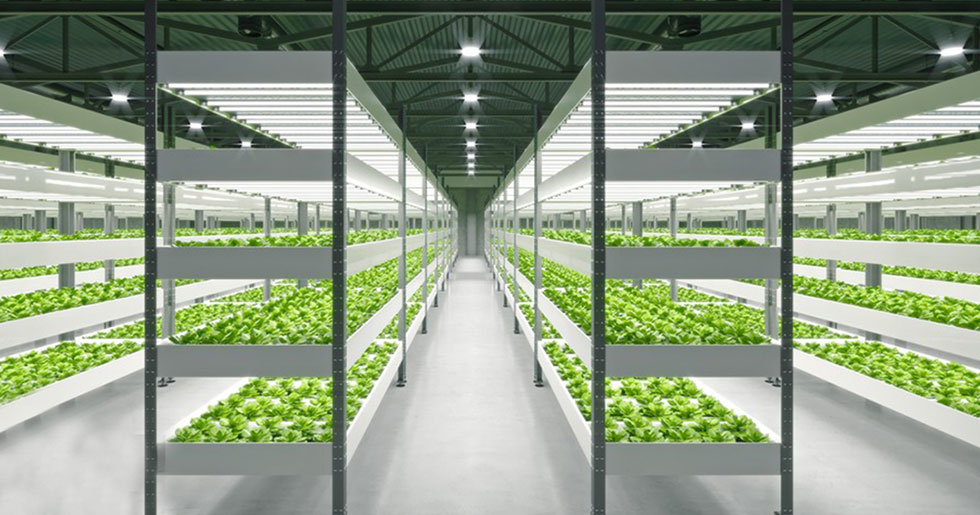
Reasonable arrangement of planting racks: The internal space of the container is limited, and the number of layers and layout of the planting racks need to be carefully designed according to the type, growth cycle, and expected yield of the planted plants. Ensure that each layer of the planting rack provides sufficient growth space for plants, avoiding poor plant growth caused by limited space. For example, leafy vegetables can use multi-layer dense planting racks to fully utilize vertical space; For some vines or plants that require larger growth space, the spacing between planting racks should be appropriately increased.
Reserved space for equipment installation and maintenance: The container plant factory is equipped with various devices such as lighting, ventilation, irrigation, and temperature control. When planning the layout, sufficient installation space should be reserved for these devices to ensure that they are securely installed and easy to connect to lines and pipelines. At the same time, it is also necessary to reserve channels for daily maintenance and repair of equipment, making it convenient for staff to inspect, clean, and repair the equipment at any time, to avoid hindering equipment maintenance work due to narrow space and affecting the normal operation of the factory.
2、 Key points of environmental regulation
Precise control of lighting: Lighting is a key factor in plant growth. Container plant factories typically use artificial light sources such as LED plants for growth.
It is necessary to accurately adjust the light parameters according to the requirements of different plants for light intensity, light quality, and light duration at different growth stages. For example, during the seedling stage of plants, the light intensity can be appropriately reduced to avoid strong light burning the seedlings; During the flowering and fruiting period of plants, it is necessary to increase the intensity and duration of light to promote photosynthesis and reproductive growth. In addition, it is necessary to regularly check the working status of the lighting fixtures and replace damaged ones in a timely manner to ensure the stability and uniformity of the lighting.
Strictly control temperature and humidity: Appropriate temperature and humidity are the guarantee for healthy plant growth. Real time monitoring of temperature and humidity data inside the container using temperature and humidity sensors, and regulation through equipment such as air conditioning, ventilation fans, humidifiers, and dehumidifiers. Generally speaking, the suitable growth temperature for most plants is between 18-28 ℃, and the relative humidity is between 60% and 80%. During high temperatures in summer, it is necessary to strengthen ventilation and heat dissipation, and if necessary, turn on air conditioning for cooling; In winter when the temperature is low, insulation measures should be taken, such as covering the exterior of the container with insulation materials. Meanwhile, it is important to avoid drastic fluctuations in temperature and humidity to prevent stress damage to plants.
Optimize ventilation and gas management: Good ventilation can ensure fresh and circulating air inside the container, provide sufficient carbon dioxide for plants, and discharge exhaust gases and excess water vapor produced by plant respiration. Reasonably set the position and size of ventilation openings, install ventilation equipment with appropriate power, and adjust the ventilation volume according to the growth of plants and environmental changes. In addition, it is possible to consider installing a carbon dioxide generator inside the container to supplement carbon dioxide appropriately during the vigorous growth period of plants, enhance plant photosynthesis, and improve crop yield and quality.
3、 Equipment maintenance and management
Irrigation system maintenance: The irrigation system is directly related to the water supply of plants. Regularly check whether there is any leakage or blockage in the irrigation pipes, and whether the nozzles are working properly. Clean the filter weekly to prevent impurities from entering the irrigation system and affecting the irrigation efficiency. At the same time, it is necessary to adjust the irrigation time and amount reasonably according to the water demand pattern and growth stage of plants, to avoid over watering or under watering. For systems that use nutrient solution irrigation, it is also necessary to regularly check the pH and EC values of the nutrient solution to ensure that its composition and concentration are suitable for plant growth.
Electrical equipment maintenance: There are numerous electrical equipment in container plant factories, such as lighting systems, ventilation equipment, temperature and humidity control systems, etc. Regularly check whether the electrical circuits are aging or damaged, and whether the plugs and sockets are in good contact. Perform a comprehensive cleaning of electrical equipment once a month to prevent dust accumulation from affecting equipment heat dissipation and normal operation. In addition, overload protection and leakage protection devices should be installed for electrical equipment to ensure safe operation and avoid safety accidents such as fires caused by electrical faults.
Regular equipment inspection and maintenance: Establish a sound equipment inspection system and arrange dedicated personnel to conduct regular inspections of all equipment in the container plant factory. The inspection content includes the operation status of the equipment, whether various parameters are normal, and whether there are any abnormal noises or odors. Based on the user manual and actual operating conditions of the equipment, develop a reasonable maintenance plan and regularly maintain the equipment, such as adding lubricating oil to the motor, replacing vulnerable parts, etc., to extend the service life of the equipment and reduce the equipment failure rate.
4、 Disease and pest control
Keeping the factory clean and hygienic: The relatively enclosed environment of container plant factories creates certain conditions for the growth of pests and diseases, so it is crucial to maintain cleanliness and hygiene inside the factory. Regularly clean up fallen leaves, residual plants, and debris in the factory to reduce the breeding ground for pests and diseases. At the same time, regular disinfection should be carried out on the floors, walls, planting racks, etc. inside the factory, using specialized disinfectants or ultraviolet disinfection equipment to kill possible bacteria and pests.
Adopting physical and biological control methods: Prioritize the use of physical and biological control methods to control pests and diseases, reduce the use of chemical pesticides, and ensure the safety and quality of agricultural products. For example, installing insect nets in factories to prevent pests from entering; Set up traps such as yellow and blue boards to lure pests and use their chemotaxis to trap them; Release natural enemies of pests, such as predatory mites and ladybugs, for biological control. In addition, sex attractants can be used to interfere with the mating behavior of pests and reduce their reproductive rate.
Timely monitoring and response to pests and diseases: Assign dedicated personnel to regularly inspect plants, observe their growth status, and promptly detect signs of pests and diseases. Once pests and diseases are discovered, corresponding prevention and control measures should be taken quickly to prevent the spread of pests and diseases. For minor pests and diseases, manual removal of diseased leaves and insect bodies can be used for treatment; For more serious pests and diseases, appropriate biological pesticides or low toxicity chemical pesticides should be selected for prevention and control according to the type and severity of the pests and diseases, and the pesticide should be strictly applied according to the instructions for use to ensure the effectiveness of prevention and control while ensuring the quality and safety of agricultural products.